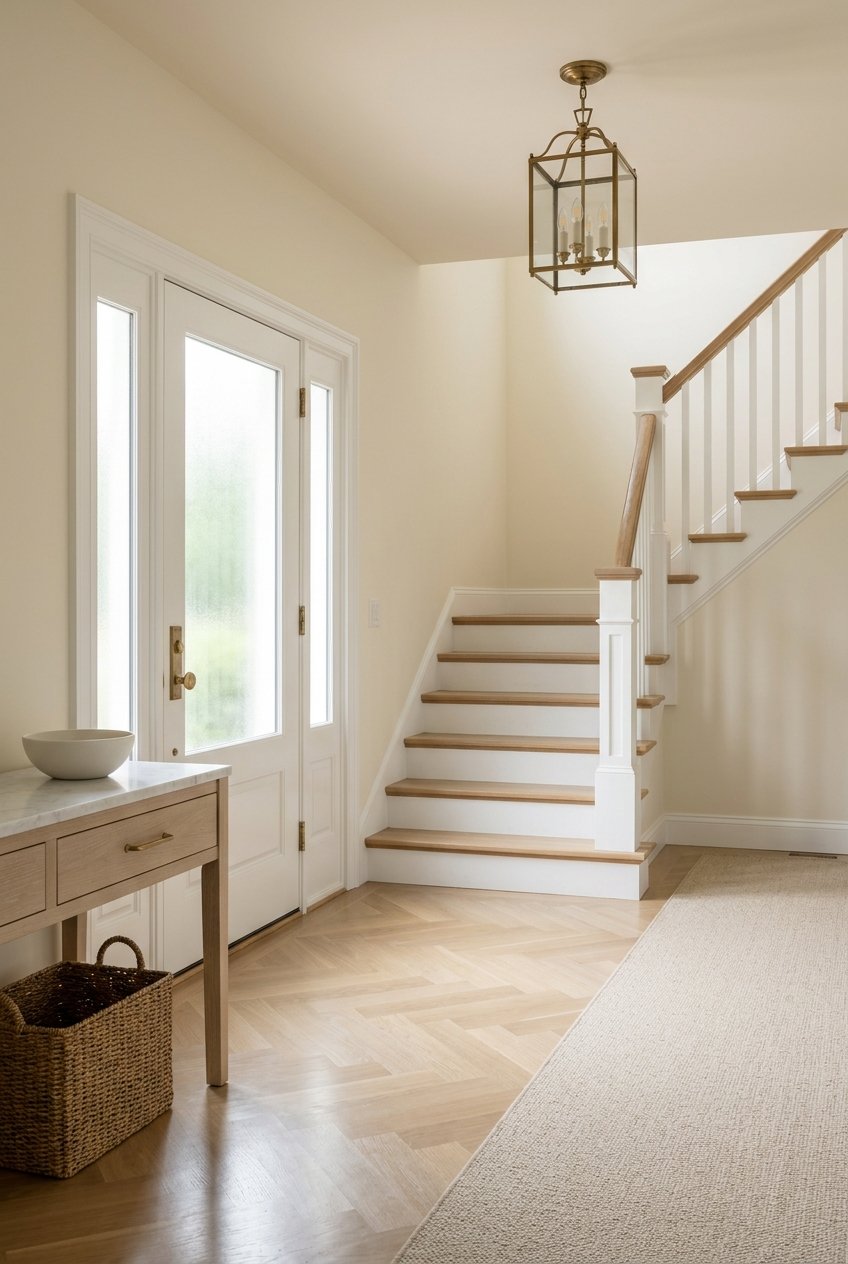
Getting Your Cold Spring Harbor Home Market Ready
June 25, 2026
June 25, 2026
Thinking about listing your Cold Spring Harbor home soon? In a market where inventory is limited and buyer expectations are high, getting ready to sell is not just about tidying up. It is about making smart, well-timed choices that support your pricing strategy and your first impression. If you want to know where to spend your energy, where to spend your money, and what to handle early, this guide will walk you through it. Let’s dive in.
Cold Spring Harbor’s 11724 market remains a high-value market with relatively tight inventory. Realtor.com’s April 2026 snapshot showed 14 active listings, a median listing price of $2.35 million, and 62 median days on market. Redfin’s recent closed-sales snapshot through May 2026 showed a median sale price of $1,808,917 and 53 days on market, while also describing the market as very competitive.
That combination matters if you are preparing to sell. Buyers may move quickly when the right home comes along, but they are also paying close attention to condition and presentation. In NAR’s 2025 Remodeling Impact Report, 46% of home buyers said they are less willing to compromise on condition than in the past.
The takeaway is simple. In Cold Spring Harbor, presentation is not an extra. It is part of pricing discipline, buyer perception, and how confidently your home enters the market.
Before you think about major updates, focus on the things buyers see immediately. NAR’s 2025 staging research found that the most common recommendations from agents were decluttering the home, entire-home cleaning, and improving curb appeal. Those basics consistently do the heavy lifting.
For most sellers, that means your first round of prep should center on order, cleanliness, and visible care. When a home feels spacious, bright, and well maintained, buyers have an easier time imagining themselves in it. That can shape how they respond both online and in person.
Decluttering is usually the most important first step. Remove excess furniture, paper piles, personal collections, and anything that makes rooms feel crowded or overly specific to your current lifestyle. The goal is not to strip away all personality, but to help each room feel open and easy to understand.
In a design-conscious market like Cold Spring Harbor, scale matters. If rooms read smaller than they are, or if buyers are distracted by too many personal items, you lose some of the home’s impact. A cleaner visual field helps buyers focus on the architecture, light, layout, and flow.
A good rule of thumb is to edit before you pack. Start with:
Once the house is decluttered, deep cleaning should come next. NAR’s 2025 staging data show that entire-home cleaning ranks near the top of seller-prep recommendations, right alongside decluttering. That makes sense because clean homes photograph better, show better, and feel better maintained.
Focus on the details buyers tend to notice right away. That includes floors, windows, grout, baseboards, kitchens, baths, and any surfaces that show wear. If you have carpet, professional cleaning can be worthwhile before photography and showings.
This is also the right time to address small visual distractions, such as:
Many sellers wonder if they should renovate before listing. In most cases, broad redesigns are not the first place to start. The research supports a more selective approach.
NAR’s 2025 Remodeling Impact Report found that REALTORS most often recommend painting the entire home, painting one interior room, and addressing roofing before listing. The same report also showed that exterior-focused projects like a garage door, new siding, a new front door, and painting exterior siding ranked strongly for cost recovery.
The smarter strategy is usually to make neutral, visible improvements instead of taking on a full remodel. If a buyer is likely to notice it in the first few minutes, it deserves attention. If it is expensive, highly personal, or likely to trigger delays, it should be evaluated more carefully.
Your exterior sets the tone before a buyer ever opens the front door. NAR’s staging research found that improving curb appeal is one of the most common seller-prep recommendations. In a market where many buyers begin their search online, the front exterior also plays a major role in how your home performs in photos.
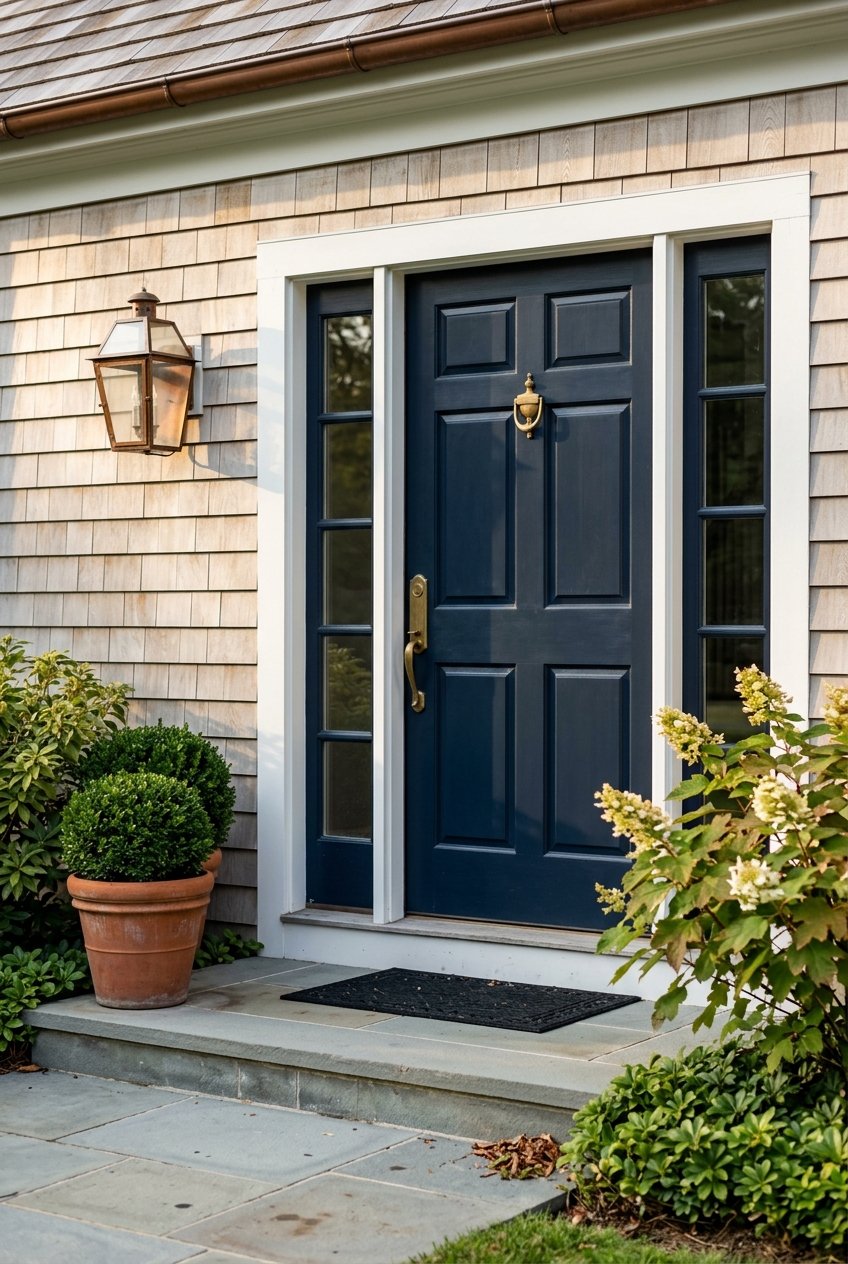
That does not always mean a large landscaping project. Often, it means tightening what is already there so the home feels cared for and welcoming. Depending on the property, that may include pruning, mulching, cleaning walkways, refreshing planting beds, or painting or repairing the front entry.
If you are deciding where to invest, exterior touch points often carry more weight than interior trend updates. A clean approach from the street helps support the value buyers expect to see once they step inside.
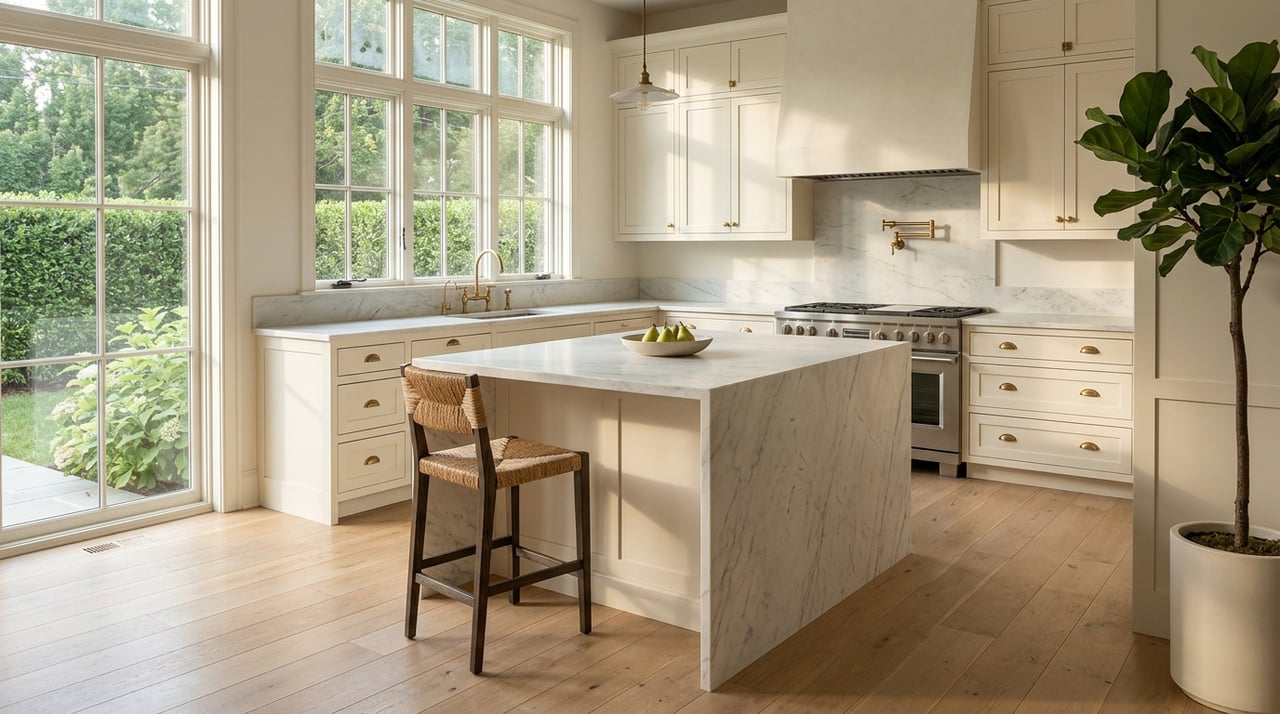
Not every room needs the same level of attention. According to NAR’s 2025 staging report, buyers’ agents most often identified the living room, primary bedroom, and kitchen as the most important rooms to stage. Sellers’ agents also reported staging those rooms most often, followed by the dining room.
That gives you a clear order of operations. If your time or budget is limited, begin with the spaces that shape the strongest emotional response and carry the most visual weight in marketing.
A practical room-by-room priority looks like this:
This kind of sequencing keeps your effort focused where it is most likely to matter.
Professional presentation can make a meaningful difference. In NAR’s 2025 staging data, 60% of buyers’ agents said staging affects most buyers’ view of a home most of the time. Even more telling, 83% said staging makes it easier for buyers to visualize the property as a future home.
That matters because buyers do not just buy square footage. They respond to proportion, mood, flow, and how the home lives. Good staging helps communicate all of that more clearly.
Staging does not always mean fully furnishing a vacant property from scratch. It can also mean refining what you already have, adjusting layout, removing competing pieces, and styling key spaces so they read well in person and on camera. NAR found the median amount spent on a staging service was $1,500, which gives sellers a useful baseline for planning.
One common mistake is scheduling photos too early. The better sequence is to finish decluttering, repairs, and deep cleaning first, then stage, then photograph the property once everything is camera-ready.
That order supports stronger marketing from the start. NAR’s 2025 staging report found that photos were considered highly important to clients, with videos also carrying significant value. Since many buyers will form their first impression online, the launch materials need to reflect the home at its best, not halfway through preparation.
In a market like Cold Spring Harbor, polished presentation is especially important because buyers often compare homes carefully at this price point. Strong photography should capture light, scale, finishes, and the relationship between interior spaces and the exterior setting.
Preparation is not only visual. If your home has had additions, alterations, or other meaningful work over time, paperwork should be part of your pre-listing plan.
In the Town of Huntington, building permits are required for residential work involving construction, alteration, repair, modification, demolition, moving, and change of use. The town’s Building & Housing Division also reviews plans, inspects work, and issues Certificates of Occupancy. Permit categories include electrical permits, plumbing permits, and a Residential Alteration & Structure of Minor Character Permit.
For sellers, the practical point is timing. If you are considering any pre-list work that touches structure, electrical, plumbing, drainage, retaining walls, or other permit-sensitive items, bring in the right professionals early. Projects that require permits or inspections are not ideal to leave until the final week before listing.
New York’s Property Condition Disclosure Statement should also be on your radar before your home hits the market. According to the New York Department of State, the seller of residential real property must deliver the disclosure statement to the buyer or buyer’s agent before the buyer signs a binding contract of sale.
The form is based on your actual knowledge and is not a warranty or a substitute for inspections. It asks about topics such as Certificates of Occupancy, floodplain status, flood insurance, prior flood assistance, water intrusion, rot, and material defects in systems and structural components. The form applies to one- to four-family residential property, but not condominiums or co-ops.
That is why it helps to gather documents early, including:
Having these items organized early can make the listing process smoother and reduce last-minute stress.
Most Cold Spring Harbor homes benefit from a staged plan rather than a single weekend push. The right timeline depends on your property, but the most practical sequence usually looks like this.
Start by reviewing your home’s likely market position and deciding what level of preparation makes sense. In a high-value market, the prep plan should support the pricing strategy, not work against it.
Remove excess belongings, simplify rooms, and begin packing items you will not need before your move. This creates breathing room and helps every later step go faster.
Deep clean the home and handle paint touch-ups, small maintenance items, and visible wear. These are often the most efficient early investments.
Refine furnishings, improve room flow, and focus on the living room, primary bedroom, kitchen, and other main public spaces first.
Once the house is fully ready, schedule photography and any video assets. Marketing works best when the home launches in finished form.
If you are trying to decide where your money will go furthest, it helps to think in tiers.
For many sellers, the best return comes from doing the basics exceptionally well, then being selective about larger projects. A thoughtful plan usually outperforms a rushed renovation.
The strongest listings often do not come from doing everything. They come from doing the right things in the right order. In Cold Spring Harbor, where presentation, pricing, and buyer expectations all carry weight, that means preparing your home with intention.
If you are not sure what is worth doing and what is not, property-specific advice matters. The right prep strategy depends on your home’s condition, architecture, setting, and likely buyer pool. A focused plan can help you avoid overspending while still bringing your home to market in a polished, competitive way.
If you are preparing to sell in Cold Spring Harbor or anywhere on Long Island’s North Shore, Laura Zambratto can help you build a smart, property-specific plan for pricing, presentation, and launch.
Stay up to date on the latest real estate trends.





Get assistance in determining current property value, crafting a competitive offer, writing and negotiating a contract, and much more. Contact me today.