
How A Strategic Listing Plan Elevates Cold Spring Harbor Homes
July 9, 2026
July 9, 2026
If your Cold Spring Harbor home is going to market, a simple sign in the yard and a basic online listing are not enough. In a high-value market with limited inventory, buyers notice pricing, presentation, and how clearly a home’s story is told. A strategic listing plan helps you show your property at its best, reach the right audience, and make the most of your first days on the market. Let’s dive in.
Cold Spring Harbor sits within the Town of Huntington and is closely tied to the North Shore lifestyle, with its harbor setting, commuter rail access, and distinct neighborhood identity. For many buyers, those details are part of the value of the home, not just background information. That means your listing plan should present more than square footage and room count.
The market also supports a thoughtful approach. As of May 31, 2026, the average Cold Spring Harbor home value was about $1.73 million, with just 9 homes for sale. Redfin reported homes in 11724 selling in about 40 days on average, with a 96.1% sale-to-list ratio, which points to a market where buyers still have options and sellers benefit from strong preparation.
The strongest listings usually begin well before the home appears online. Pre-market work shapes how buyers experience the property in photos, at showings, and during the first open house. In a place like Cold Spring Harbor, where buyers often compare design, setting, and condition closely, that early work can have a big impact.
A good plan treats preparation as part of marketing, not a side task. That means editing the home, refining its presentation, and making sure every visual detail supports the price and positioning.
Staging does not mean a full remodel. According to NAR, it is mainly about decluttering, styling, and presenting the home so buyers can picture themselves living there. In 2025, 83% of buyers' agents said staging made that easier, 29% said it produced a 1% to 10% increase in offered value, and 49% of sellers' agents said it reduced time on market.
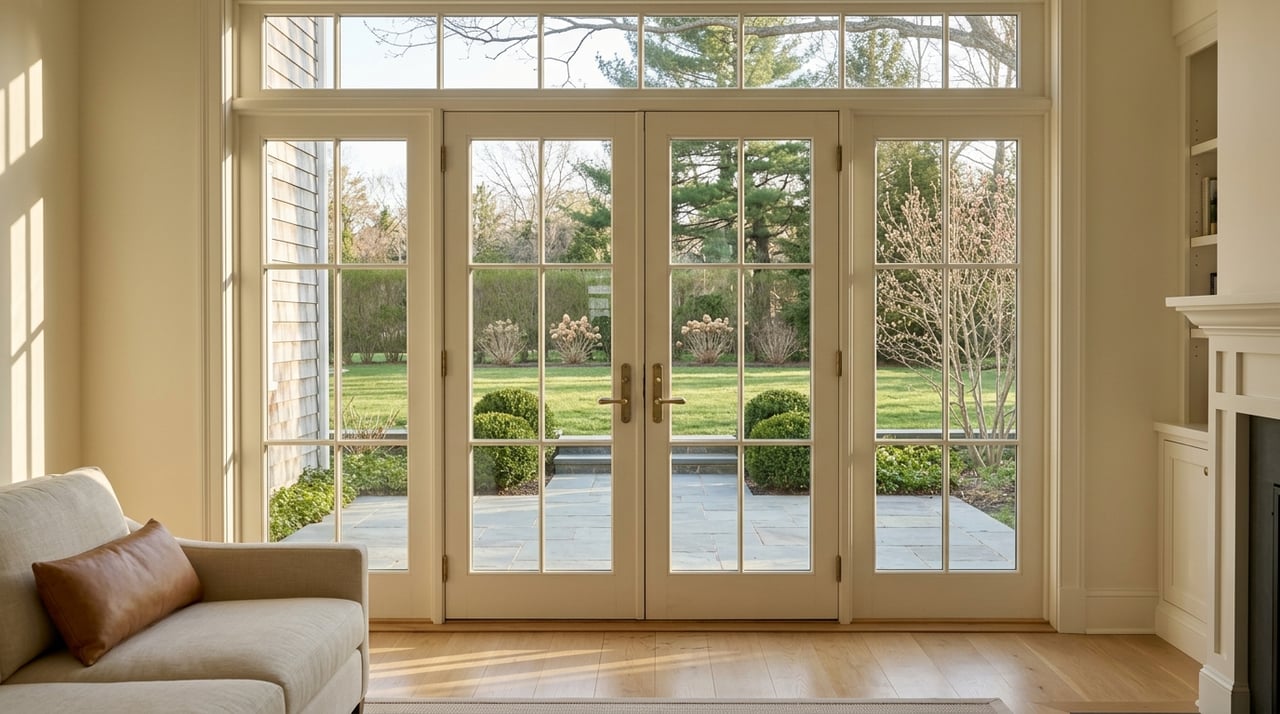
For Cold Spring Harbor sellers, that matters because buyers at this price point tend to respond strongly to atmosphere, flow, and finish. Clean lines, neutral decor, and carefully edited rooms can help architectural features and natural light stand out.
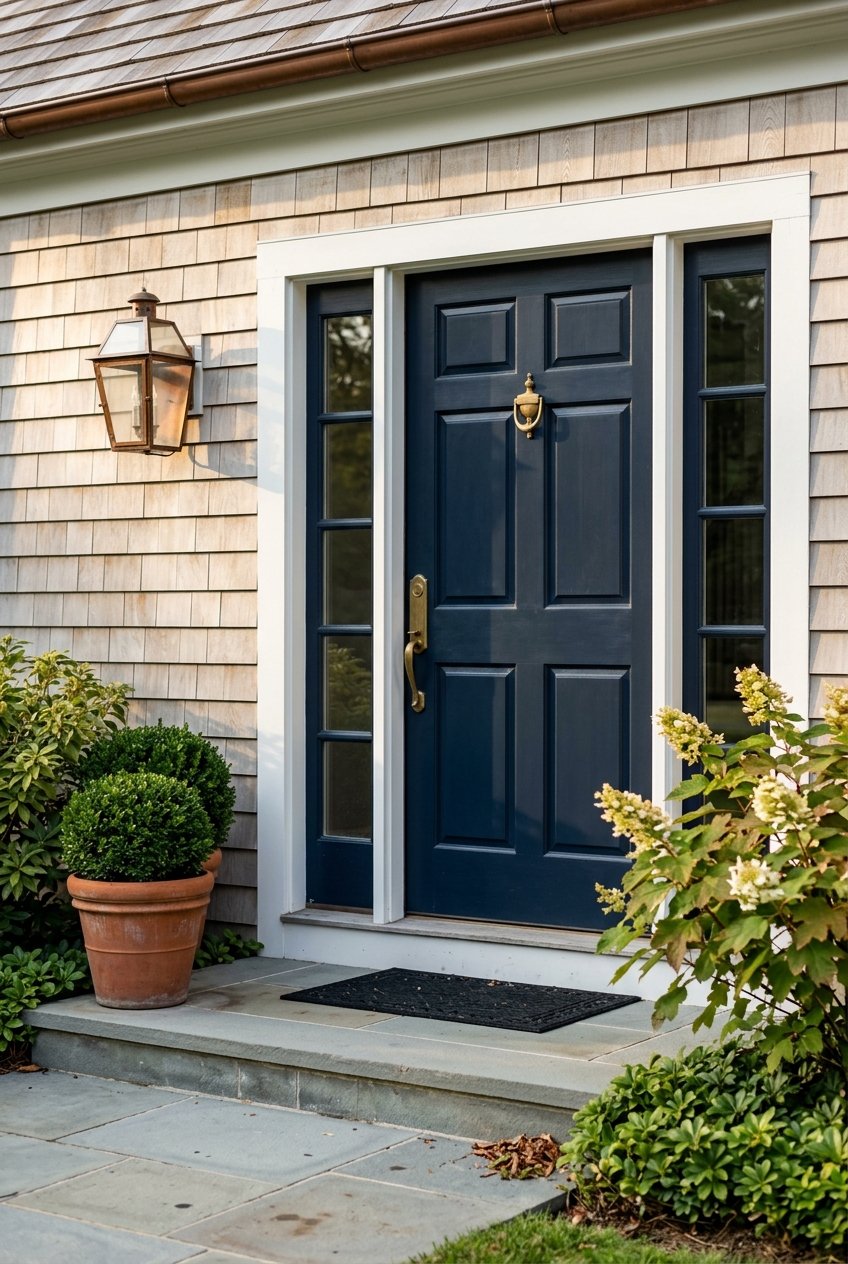
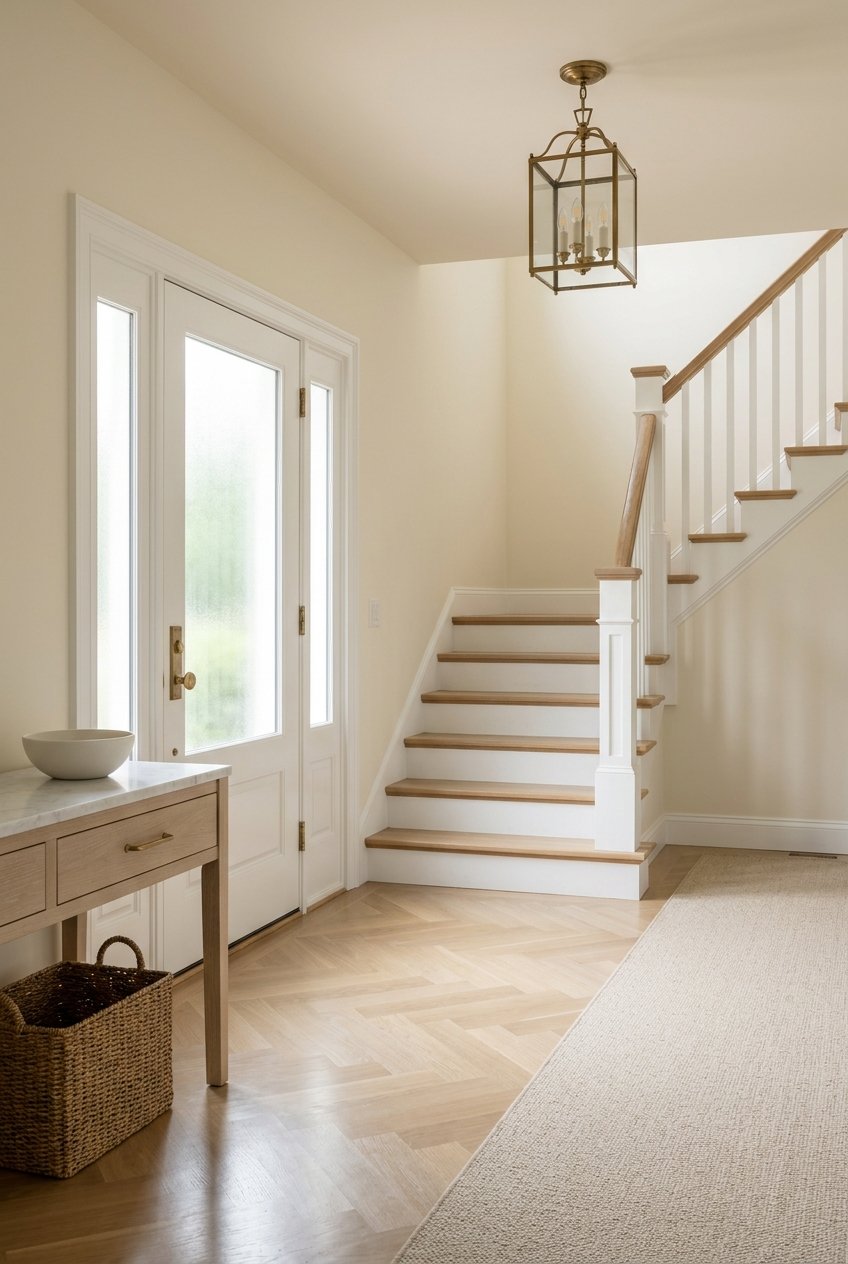
Before photography, key areas should be treated as part of the listing package. That includes the entry, windows, carpets, lighting, and other high-traffic spaces. Deep cleaning, decluttering, and curb appeal are not cosmetic extras. They help shape the buyer’s first impression.
A practical pre-listing checklist often includes:
Most buyers begin their search online, so visuals do a lot of the heavy lifting. NAR’s consumer marketing guide notes that buyers' agents rate photos as highly important, followed by traditional staging, videos, and virtual tours. That means your digital presentation needs to be strong from day one.
In New York, accuracy matters as much as beauty. The Department of State has warned that AI-generated or misleading listing images can amount to deceptive advertising. If virtual staging or image enhancement is used, it should be honest, clearly represented, and consistent with the home’s actual condition.
Luxury buyers are quick to notice when a listing feels overstated. If the home looks dramatically different in person than it did online, you risk losing momentum and credibility. Accurate, well-composed photography creates a stronger match between online interest and in-person response.
That is especially important in a market where buyers may be comparing only a handful of available homes. When your visuals are polished and truthful, they support better showings and more confident buyer interest.
Even a beautifully presented home can lose traction if the price does not align with the market. In Cold Spring Harbor, where inventory is limited but buyers still have choices, pricing discipline remains one of the most important parts of the strategy.
National seller research from 2025 found that homeowners placed the highest priority on marketing the home, pricing it competitively, and selling within a specific timeframe. Those goals work together. Strong pricing helps your launch perform better, while overpricing can weaken the impact of your first two weeks.
When a home first goes live, buyers and their agents pay close attention. If the pricing, visuals, and condition all line up, the home enters the market with clarity and confidence. If one piece is off, buyers may hesitate, wait, or compare your listing less favorably.
That is why candid pricing advice matters. A strategic plan should connect local comparable data, current competition, and the property’s specific strengths into a price that invites serious attention.
The MLS remains one of the most important tools in a listing strategy. NAR describes it as a collaborative system for sharing listing data, and says online distribution through IDX and syndication helps expand buyer access across brokerages and websites. In most cases, MLS exposure provides the broadest reach.
But broad reach alone is not the same as strong marketing. A strategic listing plan treats the MLS as the foundation of the campaign, then builds on it with professional visuals, polished copy, and coordinated digital and in-person exposure.
Buyer behavior has changed. In NAR’s 2025 generational trends report, 51% of buyers said they found the home they purchased on the internet, compared with 29% who found it through a real estate agent and just 4% through a yard sign or open-house sign. That means your online presentation often shapes the first showing before anyone steps inside.
A basic listing with average photos and limited detail may still appear in search results, but it is less likely to stand out. In a market like Cold Spring Harbor, the difference between being seen and being remembered can affect both timing and outcome.
The first two weeks on the market are often the most important marketing window. That is when your listing is newest, most visible, and most actively watched by buyers already searching the area. If your home is fully prepared at launch, that early attention can work in your favor.
NAR notes that the first open house, often held the weekend after the home goes live, can help maximize exposure if the seller is ready and there are no major competing events. That only works well when the home is truly launch-ready.
Open houses are still useful, but not as the main discovery channel. They work best as part of a larger plan, giving multiple buyers a chance to experience the home in person and ask questions. Private showings also remain important because they let buyers take a closer look at layout, condition, and details.
Print materials can support these moments too. Feature sheets, sign riders, and open-house handouts can reinforce the home’s story, but they are supporting tools rather than the center of the campaign.
In New York, listing strategy also includes legal preparation. The Property Condition Disclosure Act requires most sellers of residential one- to four-family property to deliver the disclosure statement to the buyer or buyer’s agent before a binding contract is signed. The form is based on the seller’s actual knowledge.
Preparing that paperwork early can help your sale move more smoothly. The current Department of State form also reminds buyers to review public records, including flood-related maps and elevation certificates, which may be especially relevant for some North Shore properties.
Marketing also needs to meet fair housing and advertising rules. New York fair housing law prohibits discrimination on protected bases, and listing language and photo choices should avoid exclusionary or steering signals. Neighborhood, school district, and local setting can still be discussed, but they should be described factually and in property-specific terms.
The Department of State also requires clear disclosure in internet advertising, including proper attribution on lead-generation platforms. In other words, compliant marketing is part of a professional listing plan from the start.
Cold Spring Harbor homes often appeal to buyers for reasons that go beyond the house itself. The harbor environment, North Shore character, commuter access, and broader community context all shape how buyers think about value. A strategic listing plan should bring those elements forward carefully and factually.
That does not mean relying on vague lifestyle language. It means highlighting relevant features such as the property’s setting, access, design, outdoor spaces, and relationship to the surrounding area. When the story is grounded in the home itself, buyers can connect with the opportunity more clearly.
A thoughtful listing plan brings together pricing, presentation, photography, timing, compliance, and local positioning. Each part supports the others. When one piece is weak, the whole campaign can feel less effective.
For sellers in Cold Spring Harbor, that is where experienced guidance matters. A broker with local market fluency, strong presentation judgment, and a clear understanding of how to position high-value homes can help you launch with more confidence and fewer missed opportunities.
If you are thinking about selling in Cold Spring Harbor, a strategic plan can help your home enter the market with clarity, polish, and purpose. To talk through pricing, preparation, and positioning for your property, connect with Laura Zambratto.
Stay up to date on the latest real estate trends.





Get assistance in determining current property value, crafting a competitive offer, writing and negotiating a contract, and much more. Contact me today.