Relocating To Locust Valley And The North Shore
June 4, 2026
June 4, 2026
Thinking about a move to Long Island’s North Shore? If you want a place that feels historic, connected, and quietly elegant without feeling cut off from the rest of the region, Locust Valley deserves a closer look. As a compact hamlet with rail access, a small local business district, and easy reach to preserves, waterfront recreation, and nearby villages, it can be a smart starting point for your search. Let’s dive in.
Locust Valley is best understood as a North Shore base rather than an isolated destination. The hamlet has a long local history, a village-scale feel, and a setting shaped by older homes, mature woods, and a modest downtown core.
That smaller scale is part of the appeal. You get a recognizable local center with shops, restaurants, and professional services, while still being connected to a broader network of North Shore communities nearby.
One of the biggest advantages of relocating to Locust Valley is what surrounds it. The same local orbit includes nearby villages such as Lattingtown, Matinecock, and Mill Neck, along with other North Shore destinations connected by the Oyster Bay Branch corridor, including Glen Head, Glen Cove, Sea Cliff, Roslyn, and Greenvale.
For many buyers, that means you are not choosing just one place. You are choosing a home base that gives you access to a wider pattern of harbors, preserved land, downtown pockets, and residential communities across the North Shore.
If you are relocating for work, lifestyle, or a mix of both, transportation matters. In Locust Valley, the rail connection is usually the first place to start.
Locust Valley station sits on the Long Island Rail Road’s Oyster Bay Branch. The station is accessible and includes ramps, tactile warning strips, and ticket machines, though there is no ticket office.
Service patterns can vary by train and day. Some Oyster Bay Branch runs offer direct service to Penn Station, while others may require a transfer, so it is important to check your exact departure rather than assume every commute will follow the same pattern.
Driving is practical for regional errands, appointments, and trips across Long Island, but local road conditions and route choices matter. Access to the hamlet ties into larger Long Island routes through roads such as Route 25A, Wolver Hollow Road, Piping Rock Road, and Birch Hill Road.
In simple terms, rail is often the clearest option for Manhattan-bound commuting, while driving gives you flexibility for everything else. If you are comparing towns, this balance is worth factoring into your daily routine.
Locust Valley gives you several airport choices depending on where you are headed and how you prefer to travel. JFK and LaGuardia are both in Queens, while Long Island MacArthur Airport in Ronkonkoma offers an eastern Long Island option.
MacArthur is especially useful to know about because it has a rail-and-shuttle connection from Ronkonkoma station. Republic Airport in Farmingdale is also in the region, though it is primarily used for general and business aviation rather than standard commercial travel.
Daily life here tends to feel local rather than sprawling. Instead of a strip-center-driven pattern, Locust Valley offers a smaller business district that supports day-to-day routines in a more compact way.
That can be a strong fit if you want a quieter residential setting without giving up convenience. Many nearby villages also rely on this local core, which adds to its role as a practical center for the surrounding area.
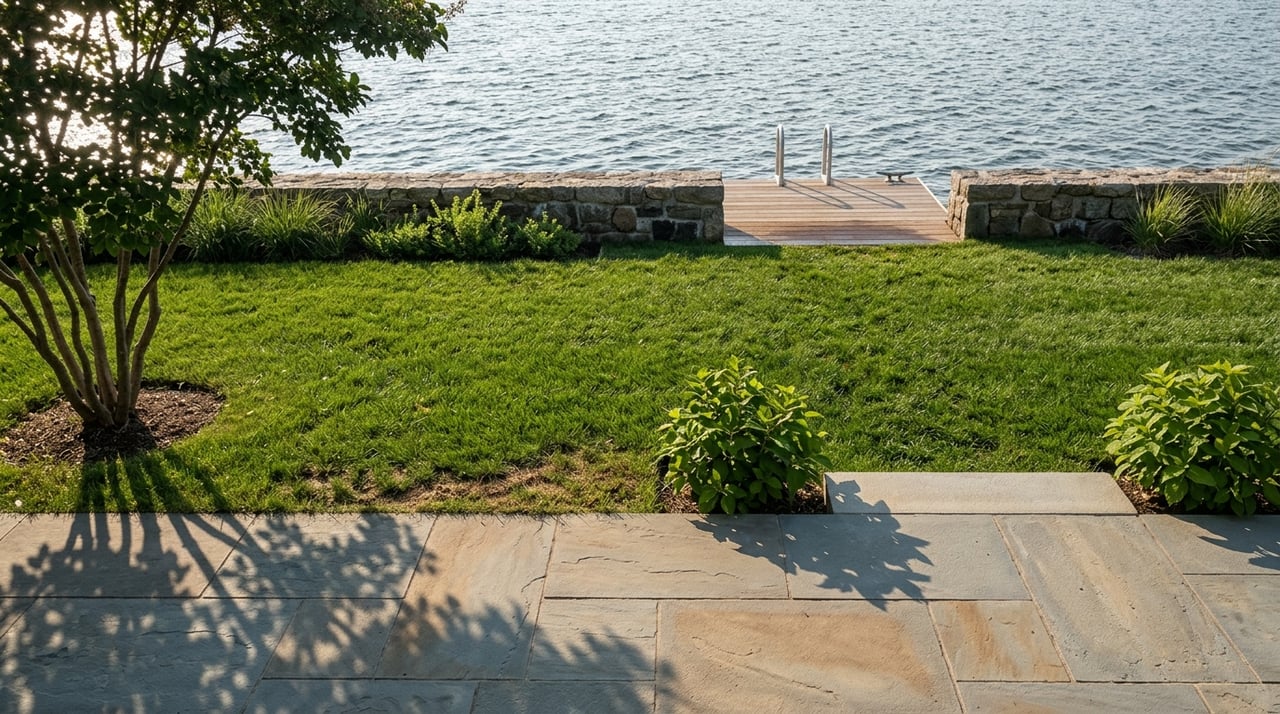
One of the clearest lifestyle strengths of this part of the North Shore is access to open space and waterfront recreation. If you value trails, gardens, preserves, and harbor access, the area offers a lot within a short drive.
Bailey Arboretum in Locust Valley is a 42-acre arboretum set on the former Frank Bailey estate. It adds a scenic, established landscape right within the hamlet.
Nearby, Nassau County’s Muttontown Preserve offers 550 acres of fields, woods, ponds, and estate grounds, along with marked trails and winter cross-country skiing when conditions allow. In Oyster Bay, Planting Fields preserves 409 acres of gardens, woodland paths, and historic structures.
The broader Town of Oyster Bay parks system adds another layer to the local lifestyle. Town-maintained amenities include beaches, marinas, boat ramps, and blueway access points.
Notable examples include Theodore Roosevelt Memorial Park and Beach in Oyster Bay and Harry Tappen Beach and Marina in Glenwood Landing. For buyers coming from denser areas, this kind of access can make the North Shore feel much more expansive in everyday life.
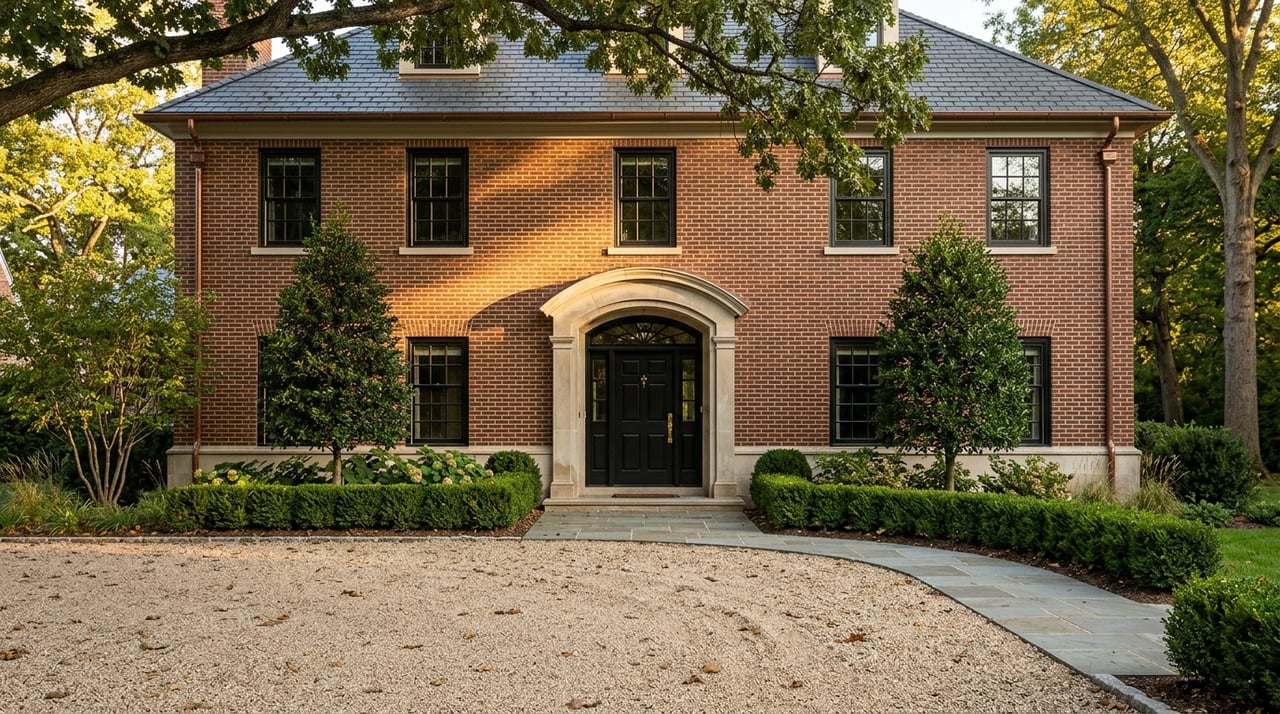
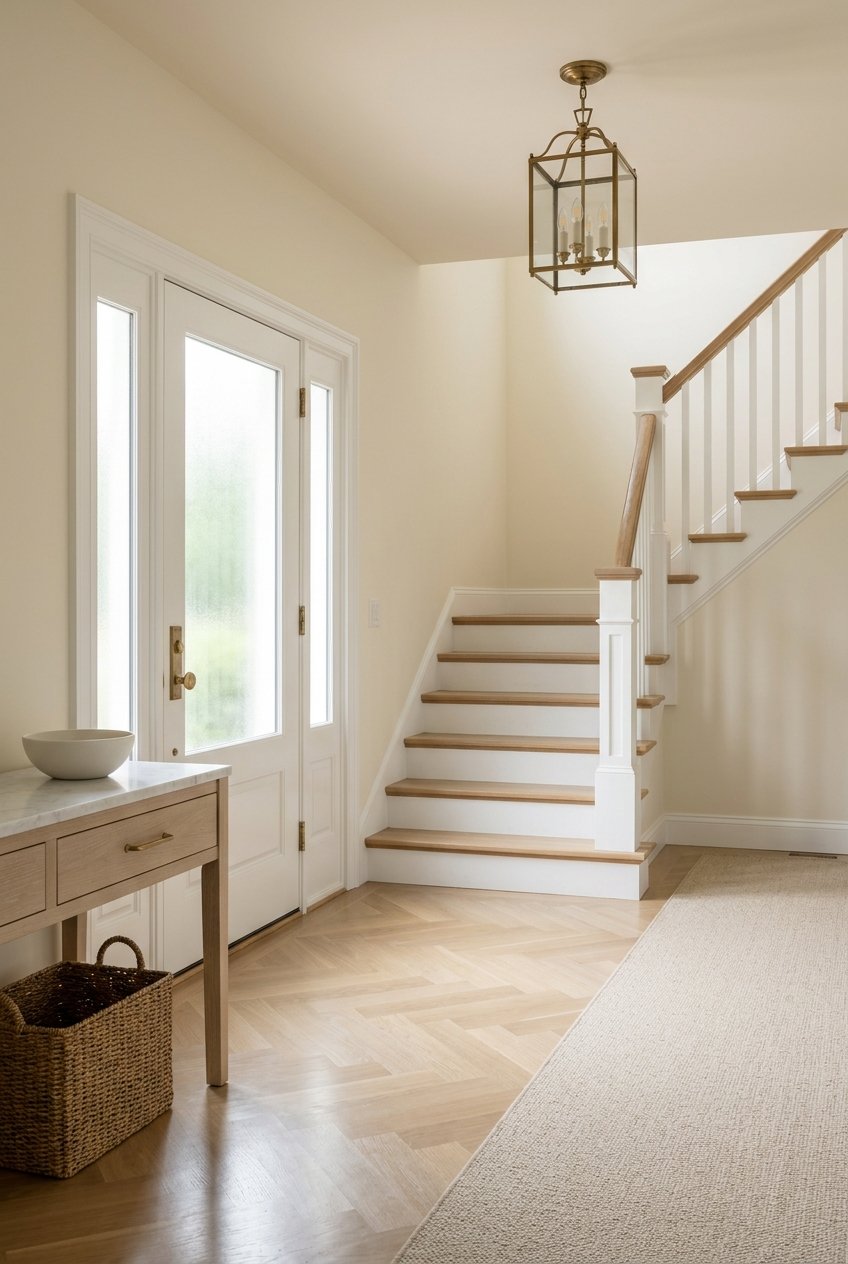
Locust Valley’s housing stock is not uniform, and that is part of its character. The area is shaped by older homes, historic roads, and an estate-influenced landscape tied to the North Shore’s Gold Coast history.
For you as a buyer, that means each property may need to be evaluated on its own merits. Condition, updates, lot characteristics, architectural style, and long-term maintenance can vary significantly from one home to the next.
The Town of Oyster Bay’s landmark list includes several Locust Valley properties, reflecting the area’s historic depth. If a home is designated as a landmark, exterior alterations are reviewed by the Town’s Landmarks Preservation Commission.
That does not make these properties less desirable. It simply means your due diligence should be more detailed, especially if you are thinking about changes to the exterior, restoration work, or long-term renovation plans.
In a market with older and architecturally distinct homes, surface appeal is only one part of the decision. You also want to understand zoning, surveys, title issues, and any constraints tied to the property itself.
That is especially true if you are relocating from a market where housing is newer or more standardized. On the North Shore, careful review can help you avoid costly surprises and buy with more confidence.
If you are moving from out of state, New York’s home-buying process may feel more attorney-driven than what you have seen before. Downstate practice commonly involves the seller’s attorney preparing the contract, followed by title work, title insurance review, inspections, survey review, zoning checks, and attorney-managed closings.
The closing table often includes the buyer, seller, both attorneys, a title closer, and sometimes lender counsel and brokers. In other words, the process tends to be detailed, structured, and document-heavy.
In New York, sellers of residential property must either provide the Property Condition Disclosure Statement or give the buyer a $500 credit at closing. That is an important detail for relocating buyers to understand early.
It is also wise to expect a process that moves through legal review before a deal feels fully settled. Strong representation and clear communication matter at every step.
When relocating to Locust Valley or nearby North Shore communities, your budget should extend beyond the sale price. New York imposes mortgage recording tax, and local property taxes help fund schools and municipal services.
The state also applies a basic real estate transfer tax to most conveyances. In addition, the mansion tax is 1% of the sale price on residential purchases of $1 million or more, which is especially relevant in a North Shore market where many homes may cross that threshold.
A realistic budget is one of the best tools you can bring into your search. It helps you compare options more clearly and make stronger decisions once the right property appears.
Locust Valley can appeal to buyers who want history, a quieter residential setting, and access to the larger North Shore lifestyle. It may also suit buyers who value a local downtown feel but do not need a highly urban daily pattern.
If you are drawn to older homes, preserved landscapes, rail access, and proximity to waterfront recreation, it is worth putting on your shortlist. If your priorities lean more toward easy parking-lot retail access or a more uniform housing stock, you may want to compare it carefully with other Long Island options.
The strongest way to think about Locust Valley is as a gateway. You are not just choosing one hamlet. You are stepping into a broader North Shore network of villages, commuter routes, preserves, harbors, and architecturally varied homes.
That makes the move exciting, but it also makes local guidance especially valuable. If you are considering a relocation to Locust Valley or anywhere along the North Shore, working with someone who understands both the lifestyle and the details can make the process much more confident and clear.
If you are planning a move and want thoughtful guidance on neighborhoods, housing stock, pricing, and the buying process, connect with Laura Zambratto for a tailored conversation.
Stay up to date on the latest real estate trends.

Get assistance in determining current property value, crafting a competitive offer, writing and negotiating a contract, and much more. Contact me today.